top day trips from Tokyo

Tokyo's day trips are defined by Mt Fuji — Japan's most iconic landmark, visible from the city on clear days — and Hakone, the volcanic mountain area known for hot springs, ropeway views, and the Open-Air Museum. Both are about 100 km west of the city and both require at least half a day to do properly.

2 destinations · Mt Fuji views, hot springs, volcanic landscape
DIY with Japan Rail Pass · Tours handle logistics

Choose Your Day Trip

Mt Fuji and Hakone are often combined in tours, which makes sense for first-time visitors — the Mt Fuji view from Lake Kawaguchi and the Hakone ropeway through volcanic valley are two very different experiences of the same mountain region. DIY is genuinely practical for Hakone (the Free Pass covers everything) and possible for Mt Fuji with a Japan Rail Pass.
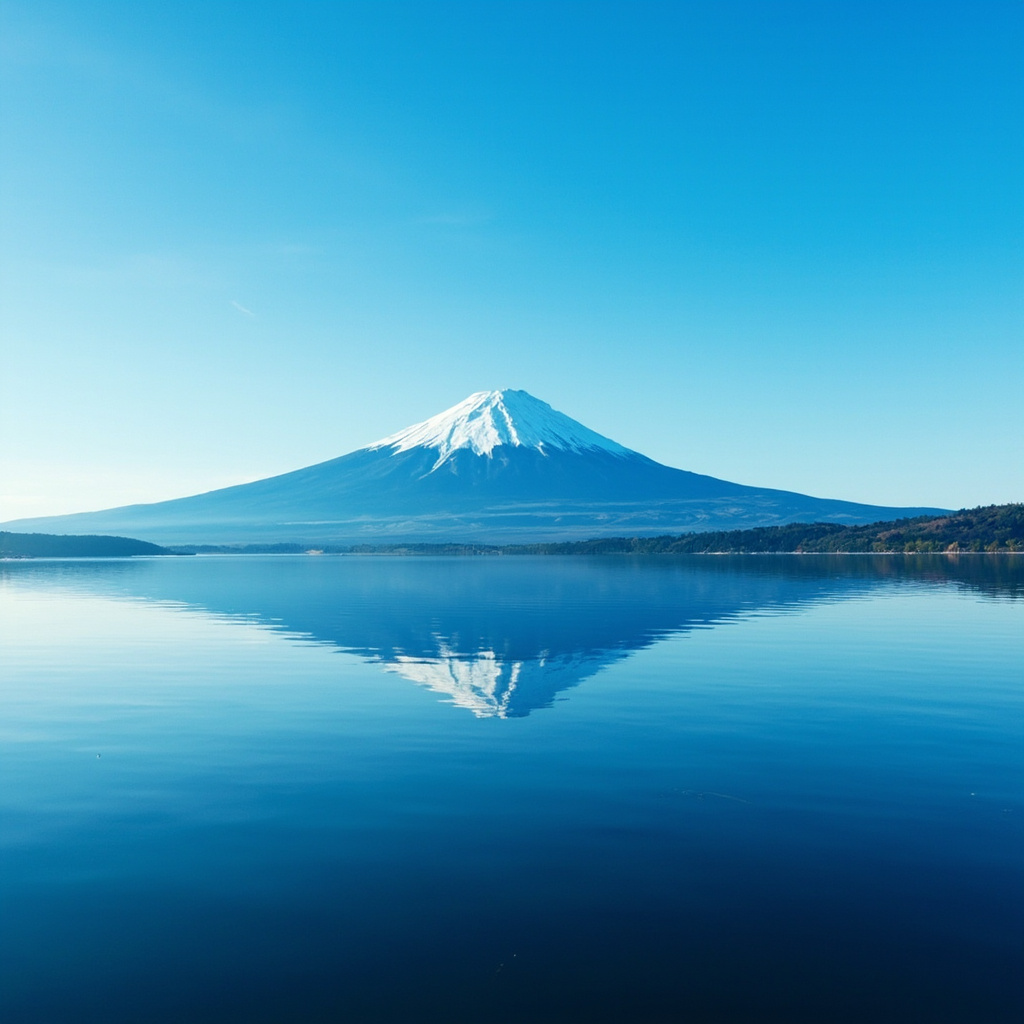
Mt Fuji
Mt Fuji
100 km west of Tokyo. Japan's most iconic landmark — best seen from Lake Kawaguchi or Chureito Pagoda. Visible roughly 150 days a year. Early morning is the the top best Bullet train or coach from Tokyo.
Mt Fuji tours from ¥12,000 →
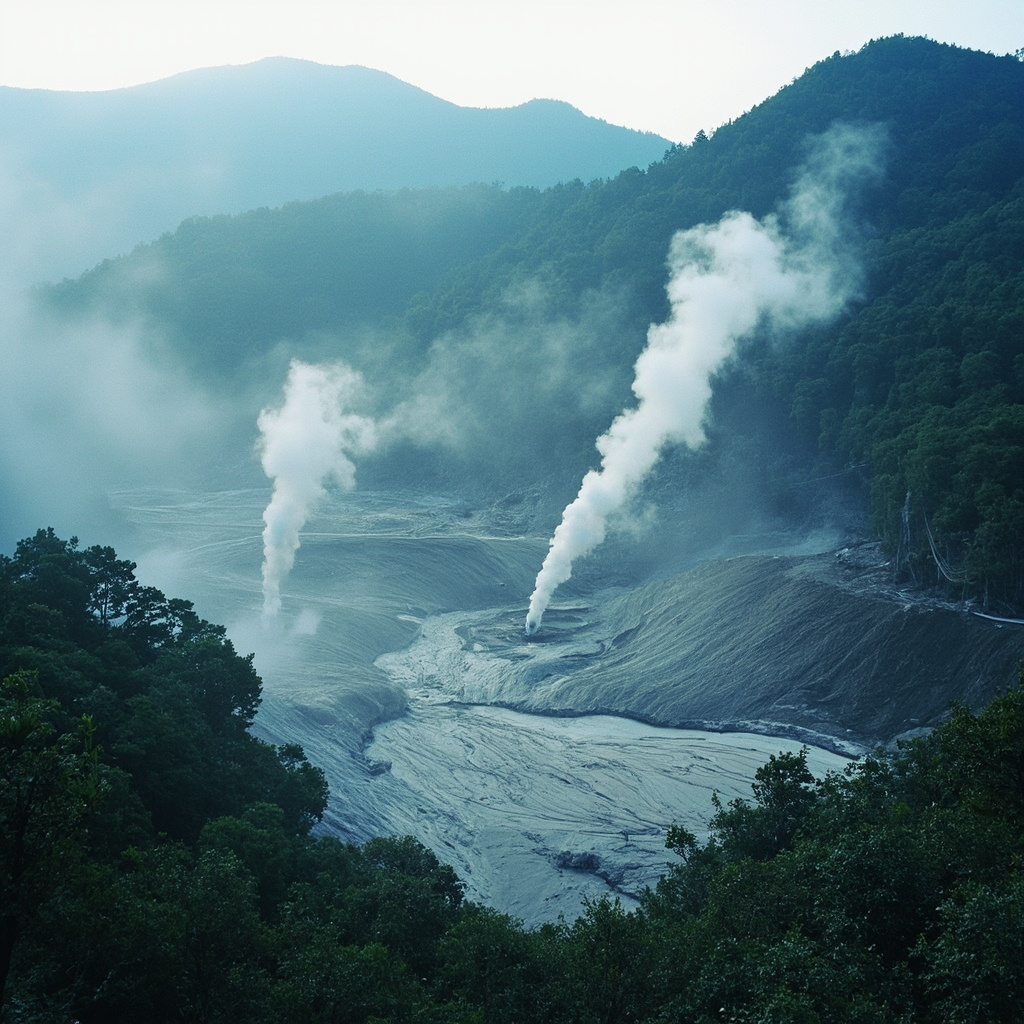
Hakone
Hakone
100 km west of Tokyo. Volcanic mountain region with hot springs, ropeway, and the Open-Air Museum sculpture park. Best reached with the Hakone Free Pass from Shinjuku. Allow a full day.
Hakone tours from ¥10,000 →
Which day trip is right for you? Mt Fuji is best for first-time visitors who want the iconic Japanese mountain view — the classic postcard shot from Lake Kawaguchi. Hakone is best for visitors who want to slow down, walk through sculpture gardens, ride a ropeway over an active volcanic valley, and soak in a hot spring. The Mt Fuji + Hakone combination tour is the practical way to do both in one day from Tokyo. If you're travelling with a Japan Rail Pass, Hakone is easy to do independently with the Free Pass — the Free Pass itself is not covered by the JR Pass but works perfectly alongside it.
Other day trips worth considering:
  • Seaside from London? Brighton — 70 minutes by train. (full guide coming soon)
  • Want a Catholic pilgrimage destination in Europe? Fatima in Portugal is the continent's most important Marian shrine — quieter and more purposeful than Rome.
  • Planning a Europe leg too? Bath has the same thermal-spring logic as some Tokyo onsen destinations, plus Georgian architecture.
  • Want to combine European cities with coastal views? Amalfi Coast
  • Planning an English countryside day? Cotswolds villages — honey-coloured stone, Bibury, Bourton-on-the-Water — are a scenic coach trip west of London.
  • Portugal's fairytale side? Sintra has UNESCO-listed palaces and forest trails 45 minutes from Lisbon.

Official travel info: Japan National Tourism Organization · JR East rail passes and schedules · For entry requirements and safety advice, check your government's travel website before booking.

Common Questions about Tokyo Day Trips

Which Tokyo day trip is most popular?

Nikko is the most popular — a UNESCO World Heritage site with ornate Buddhist temples and shrines in a mountain setting, about 2 hours from Tokyo. Kamakura is the classic seaside alternative — the Great Buddha statue and coastal temples are very different from Nikko. Both are genuinely worth doing.

How do I get to Nikko from Tokyo?

Take the Tobu Railway from Asakusa Station (Tokyo) to Nikko Station — about 2 hours direct. The Tobu Nikko Pass covers the train and local bus network in the area and is the most cost-effective way to visit. A Japan Rail Pass also covers this route if you already have one. From Nikko Station, local buses connect to the main temple areas (Toshogu, Rinno-ji, Futarasan).

Can I do Nikko and Kamakura in one day?

No — they're in opposite directions from Tokyo (Nikko to the north, Kamakura to the south) and each requires 2+ hours travel. Trying to do both in one day means rushing both. Pick one per day. Nikko is best for UNESCO temples and mountain scenery; Kamakura is best for coastal temples, hiking, and the Great Buddha.

Is Hakone worth visiting from Tokyo as a day trip?

Yes forMt Fuji views — on a clear day, the ropeway and cruise across Lake Ashi give you the the top best of Mt Fuji available without climbing. However, Hakone is most worthwhile if you're visiting during Japan's official Fuji viewing season (January–February) when skies are clearest. Summer months often have haze. The Hakone Freepass covers transport from Tokyo and is good value for a full day.

What is the JR Pass and does it cover Tokyo day trips?

The Japan Rail Pass covers Shinkansen (bullet trains), limited express, and local trains operated by JR — this includes the journey to Nikko, Kamakura, and Hakone. It does not cover non-JR lines like the Tobu Railway to Nikko. The JR Pass is only worthwhile if you're doing multiple Shinkansen journeys over several days — a single Tokyo-to-Nikko trip does not justify the cost of a JR Pass.

What is the the top best of year for Tokyo day trips?

March–April (cherry blossom season) and November (autumn foliage) are the most scenic — particularly Nikko, where the temples set against autumn colours are extraordinary. Summer (June–August) is hot and humid. Winter (December–February) is clear and quiet, good for Hakone Fuji views, but some attractions have shorter hours.