Which should you do?
The short answer: if you have one day, do the Stonehenge and Bath combo. If you have two days, do them separately — Bath by train on day one, Stonehenge by tour on day two. If you have to choose one, it depends entirely on what you want from the day.
| Stonehenge | Bath | |
|---|---|---|
| Distance from London | 90 km west · ~2 hrs by coach | 170 km west · 90 min by train |
| Transport without a car | Coach tour is the practical option | Direct train from Paddington — DIY-friendly |
| Time needed on site | 2–3 hours (monument + visitor centre) | 3–4 hours (Roman Baths + city centre) |
| What it is | Prehistoric stone circle · unique in the world | Georgian city · Roman bathing complex |
| UNESCO status | Yes — Stonehenge, Avebury and Associated Sites | Yes — Roman Baths + Georgian city centre |
| Food on site | Café at visitor centre — no real food at monument | Full city — restaurants, cafés, pubs |
| Best for | First-time visitors to the UK · ancient history interest | Archaeology · architecture · food · relaxed pace |
| Starting price | From £85 per person (coach tour) | From £25 (train + self-guided · Roman Baths entry extra) |
The Stonehenge case
Stonehenge is unique. There is nothing else like it — a 5,000-year-old stone circle, positioned on a ridge in Wiltshire with no obvious explanation for why it was built where it is. It is older than the Roman Empire, older than the pyramids, and the engineering required to get the bluestones from the Preseli Hills in Wales (240 km away) in 2500 BC remains genuinely unexplained.
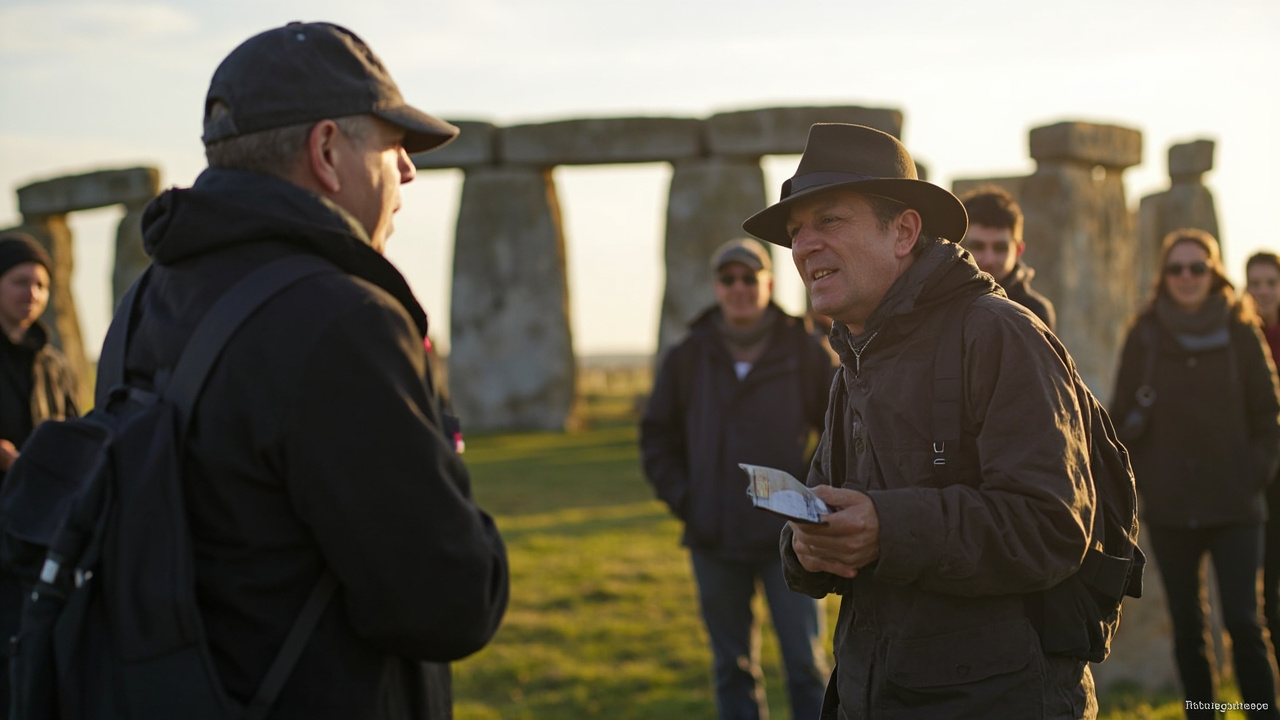
The honest case against Stonehenge: it is smaller than you expect. You walk around the outside on a path about 30 metres from the stones. Without context, it reads as a pile of old rocks. The audio guide or a guide is not optional — it is the thing that makes the visit make sense. Arrive early (coaches depart London between 7–9am) to miss the peak crowds and get the atmosphere of the site without hundreds of people in frame.
The Bath case
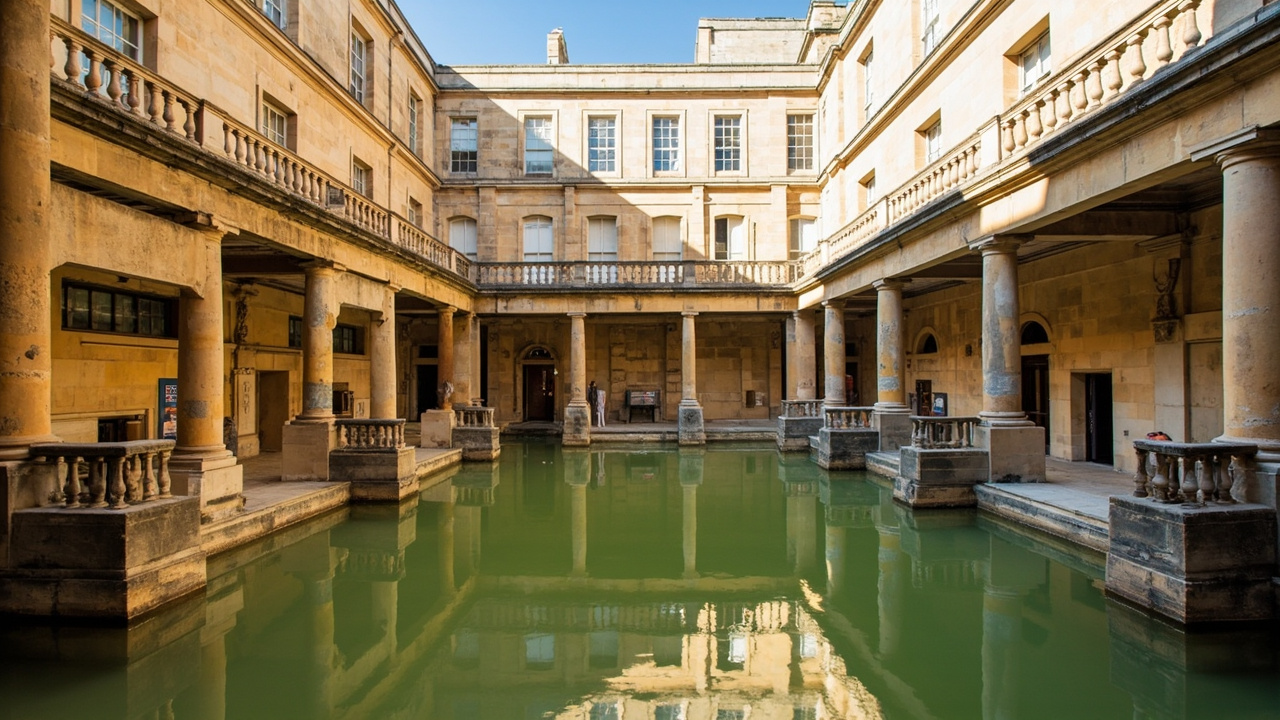
Bath is a city built around a single idea: the Roman Baths. The spring that feeds them produces 1.17 million litres of water every day at 46°C, and the Romans recognised its value 2,000 years ago. The Roman Baths complex is one of the best-preserved Roman sites in the world — the cross-vaulted changing rooms, the plunge pools, and the sacred spring are all intact under the modern city.
The rest of Bath is Georgian, built in the 18th century when the city was a spa destination for the English upper classes. The Royal Crescent is the most photographed row of houses in England — 30 houses in a perfect curve of honey-coloured Bath stone. Pulteney Bridge, crossing the River Avon, is one of the few surviving Georgian bridges with shops built into it.
The combo tour: Stonehenge + Bath
The most practical option for most visitors — and the most popular tour from London for a reason. A full-day coach covers both UNESCO sites: Stonehenge in the morning (arriving before the main crowds), Bath in the afternoon (time to walk the city, see the Roman Baths, and have a meal). Departure is typically around 8am from London, return around 7–8pm.