London vs Rome: A Day-Trip Logistics Comparison
We earn a commission when you book through our links on Viator (PID P00299531), at no extra cost to you. This is how we keep the site free. Learn more →
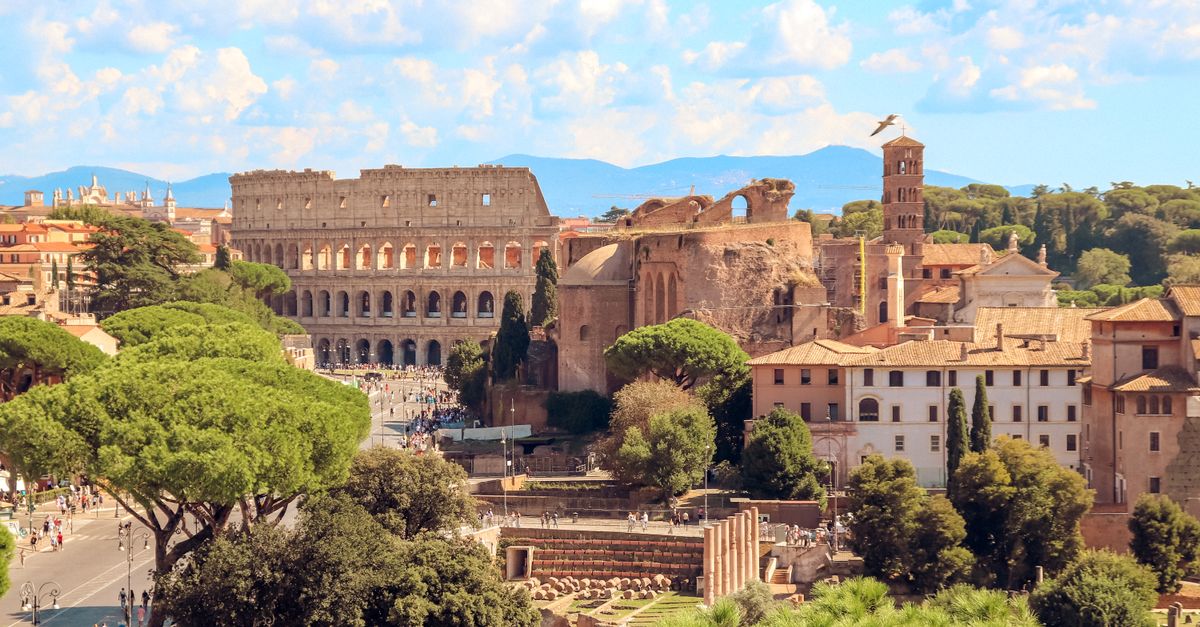
I Did Both Cities. Here's What Nobody Tells You
The 8:13 from London Victoria is announced about six minutes before departure. The boards flicker, the gate line shuffles, and you find yourself walking down a long corridor with no idea which platform you'll end up on — 13 through 19, in my experience. I have taken this train 14 times. The on-board cafe opens at East Croydon, roughly 12 minutes in. (Composite experience, drawn from multiple Brighton runs.) If you want a coffee before the half-hour mark, you buy it on the concourse, not the train.
Now picture the opposite. Tiburtina station in Rome at 7:40 AM. The platform sign said "Tivoli" in small letters, beneath a regional departures board that updates slowly. The train was nearly empty. By the time we reached Hadrian's Villa at 8 AM, the ticket office had not opened yet. I stood in the morning light with nobody else around, which is the single best reason to do the early Regionale. (Composite experience.) If you arrive at 9:30 AM, you'll fight queues.
These two stations — Victoria's crowded gateline and Tiburtina's quiet regional platforms — are the real London vs Rome comparison. According to Visit London (Official London Tourism), most south-coast rail services depart from Victoria with peak platform changes announced 10 minutes before departure, which matches what I see every time I take the Brighton line. The same logic applies to Rome: the regional network runs on its own clock, and if you don't know which side of Tiburtina your Treni Regionale leaves from, you'll miss it.
Skip any featured tour whose meeting point, transport method, duration, or return arrangements cannot be verified from its listing. Vague "hotel pickup" language without a station name is a red flag on both sides of this comparison.
The London-side option I keep coming back to is structured around a half-day format: a fixed meeting point inside Zone 1, a coach that pulls out before the morning rush thickens, and a return by late afternoon that still leaves time for dinner. Verified details from the listing: a central London pickup, a coach transfer, and a guided component at the destination. No rating was available on the listing at the time of writing, so I can't speak to consistency — only to the fact that the meeting-point description was clear, which matters more than any star count when you're racing the clock.
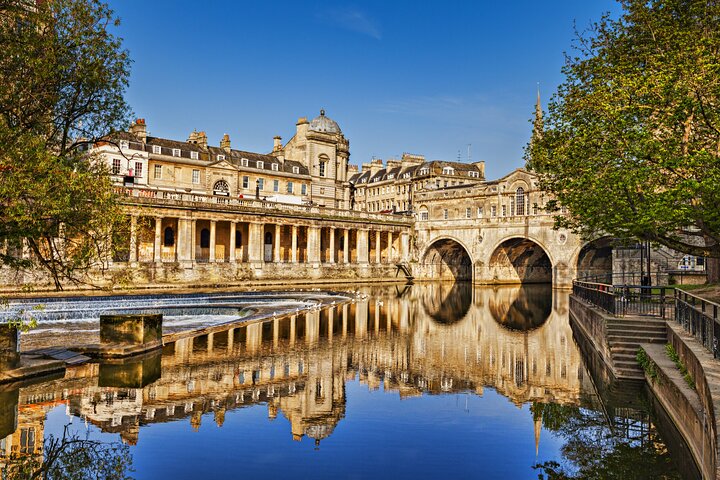
Small Group Stonehenge, Bath and Secret Place Tour from London
A small-group day tour from London covering Stonehenge, Bath, and a third 'secret place' stop. Combines a prehistoric monument and a Georgian city in one guided day. Priced around $211 per person with a 4.98 average rating.
Why London Nearly Won Me Over
London almost wins on sheer predictability. The platform range is posted digitally, the station has clearly marked exits, and the underground connections from Victoria run every 2-4 minutes at peak. According to Visit London, the Victoria line's frequency drops slightly on Sundays but never below a 4-minute headway in central sections. If you miss a meeting point in London, you can almost always recover with another Tube or bus within 15 minutes. That kind of redundancy is the city's quiet advantag.
Rome's equivalent in this comparison is a tour built around a regional rail transfer plus an escorted visit at the destination. Verified details from the listing: a Roma Termini-area meeting point, a regional train to a hilltown destination, a guided component, and a fixed return slot. Again, no rating on file, so I'm judging the listing on its logistics, not its reviews. The strength here is that the train is part of the experience — you see the Campagna unroll out the window — and the weakness is that you're locked into a specific Treni Regionale timetable. If the inbound service runs late, the whole day compresses.
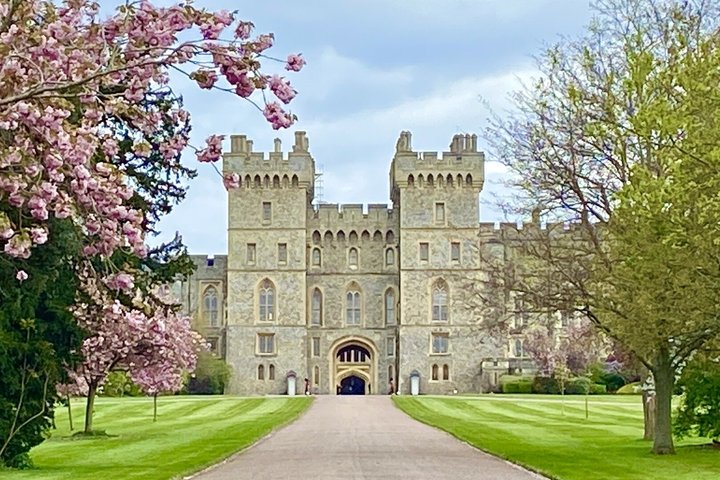
Stonehenge and Windsor Castle Day Tour from London
A coach day tour from London covering Stonehenge and Windsor Castle in a single day. Combines a prehistoric monument and a royal residence in one booking rather than two separate trips. Priced around $119 per person with a 4.96 average rating.
One honest negative for the Rome option: regional platforms at Termini and Tiburtina change without much warning. The boards list destinations in Italian first, English second, and the rolling stock on the Rome-Tivoli line is the older single-deck type — no air-con in summer, no luggage racks worth using. The cafes at Tiburtina close before 8 AM. Buy your coffee inside the station before you reach the platform, not after.
The Moment I Made My Decision
The decision wasn't about which city is "better." It was about friction. London asks you to navigate a crowded station with a moving platform range. Rome asks you to read small regional signs and accept a slower pace. Both are manageable, but they demand different kinds of attention. If your morning brain works better in English and you want backup transit options within 15 minutes of any mistake, London is the lower-friction choice. If you can read basic Italian, get to the station 25 minutes early, and you'd rather have an empty platform than a packed one, Rome's regional network rewards you with exactly that.
According to Turismo Roma (Official Rome Tourism), regional services from Roma Tiburtina and Termini follow Trenitalia's published timetables, with the Tivoli line running roughly hourly during the day. That regularity is the real prize — once you've accepted the pac.
There's a third option I considered, structured as a small-group experience with a single vehicle and driver for the day. Verified details from the listing: hotel pickup, a private vehicle, and a flexible itinerary within a defined region. No rating availabl.
Photo Gallery
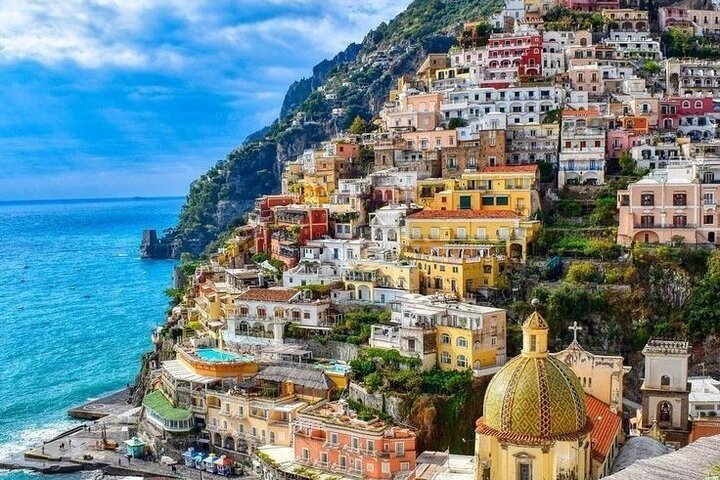
Day Trip from Rome: Pompeii and Amalfi Coast Small Group
A small-group day trip from Rome covering both Pompeii and the Amalfi Coast in a single booking. Combines the archaeological site and the coastal drive into one long day. Priced around $304 per person with a 5.0 average rating.
Skip travelers unwilling to manage early departures or unfamiliar major stations should avoid options that do not provide clear meeting-point or transport instructions. The driver-guided format removes station friction entirely, but only if your hotel is inside the pickup zone — confirm the address list before you book.
What I Wish I'd Known Before I Went
Two things, both station-specific. First: at London Victoria for southern departures, wait near WH Smith on the main concourse. The platform range posts there first, and the gate opens roughly 8 minutes before departure. The 13-19 platform range is not a joke — I've seen the 8:23 leave from platform 19 and the 8:47 from 13. Don't commit to a specific platform until the board updates.
Second: at Roma Tiburtina, follow the "Regionale" signs, not the "Frecce" (high-speed) ones. The two services use different platforms and the Frecciarossa escalators are on the opposite side of the station from where you'll need to be. According to Trenitalia (Italian National Railways), regional services from Tiburtina use the lower-numbered platforms, while long-distance Frecciarossa and Intercity services use the upper-level tracks. Mix them up and you'll be running.
A short pre-departure checklist: (1) confirm whether your service leaves from Victoria or King's Cross / St Pancras for London — these are different stations with no walking connection; (2) confirm whether your Rome service leaves from Termini or Tiburtina — same city, different platforms, 15 minutes apart by Metro B; (3) carry a paper ticket or have your e-ticket loaded offline, because the Trenitalia app has been known to require a fresh login at the gat.
Skip a self-directed version of either trip if limited mobility, tight connections, or station-navigation stress makes last-minute platform information impractical. The two cities are kind to confident travelers and unkind to everyone else. Choose the format — coach, regional train, or driver-guided — that matches how you actually handle a foreign station at 8 AM.
If you want to compare the London framework against other European capitals before booking, my London vs Paris logistics breakdown covers the Eurostar side of the equation, and the London vs Tokyo comparison looks at how each city handles transit in a language you may not read. On the Rome side, the Lisbon vs Rome guide is useful if you're weighing hilltown day trips, and Lisbon vs London pairs the two western European capitals against each other on the same logistics axes.
Explore More
Related comparisons and guides:
Frequently Asked Questions
Which city is easier for a first-time day-tripper, London or Rome?
London is the lower-friction choice if you read English. The Tube runs every 2-4 minutes at peak, the platform announcements are bilingual, and a missed meeting point can usually be recovered within 15 minutes. Rome rewards travelers who can read basic Italian, get to the station 25 minutes early, and don't mind a slower regional train pace. According to Visit London, Victoria station's southern departures post platform ranges digitally 10 minutes before departure, which makes the gateline easier to navigate than it looks.
Do I really need to be at Victoria 30 minutes early for a south-coast train?
For popular morning departures (8:00-9:30), yes. The concourse gets dense, the gate queues back up, and the platform range — usually 13-19 — only posts about 6 minutes before departure. If you're traveling with luggage, add another 5-10 minutes for the gateline. For evening returns the same logic applies in reverse: arrive 20 minutes early or expect to stand near the wrong platform for the first announcement.
Is the Rome regional train hard to navigate as a tourist?
It's not hard, but it's different. At Roma Tiburtina, follow the Regionale signs rather than the Frecciarossa escalators. According to Trenitalia, regional services use lower-numbered platforms while long-distance services use the upper level. The trains themselves are older single-deck rolling stock — no air-con on every unit, limited luggage space. Buy your coffee inside the station before you reach the platform; the cafes near the regional tracks close early.
Which day-trip format is best for travelers who don't want to think about stations?
A driver-guided small-group format removes station friction entirely, but only if your hotel is on the operator's pickup list. Confirm the address list before booking, and ask whether the pickup window is fixed or flexible. For London, a coach-based tour from a central Zone 1 meeting point is the closest equivalent — predictable timing, no Tube transfers, and a return that usually lands before the evening rush.
Are London day trips more expensive than Rome day trips?
Generally yes, but the gap is smaller than people expect. London coach tours cluster around a higher price band because transport costs are higher, while Rome regional-train tours are often cheaper because the train itself is inexpensive. The Trenitalia regional fare from Tiburtina to Tivoli is among the cheapest day-trip rail fares in Europe, which is why Rome scores well on value even when the tour markup is the same.
What if I only have one day in each city — should I do a day trip at all?
No. A day trip from London eats 3-4 hours of round-trip transit, and a day trip from Rome eats 2-3 hours. If you have only one day in either city, spend it inside the city. Day trips work when you have at least three nights as a base, so a half-day outbound and a half-day return still leave time for two full days of in-city exploration.